
Understanding Your Child's Developing Feet: A Parent's Guide
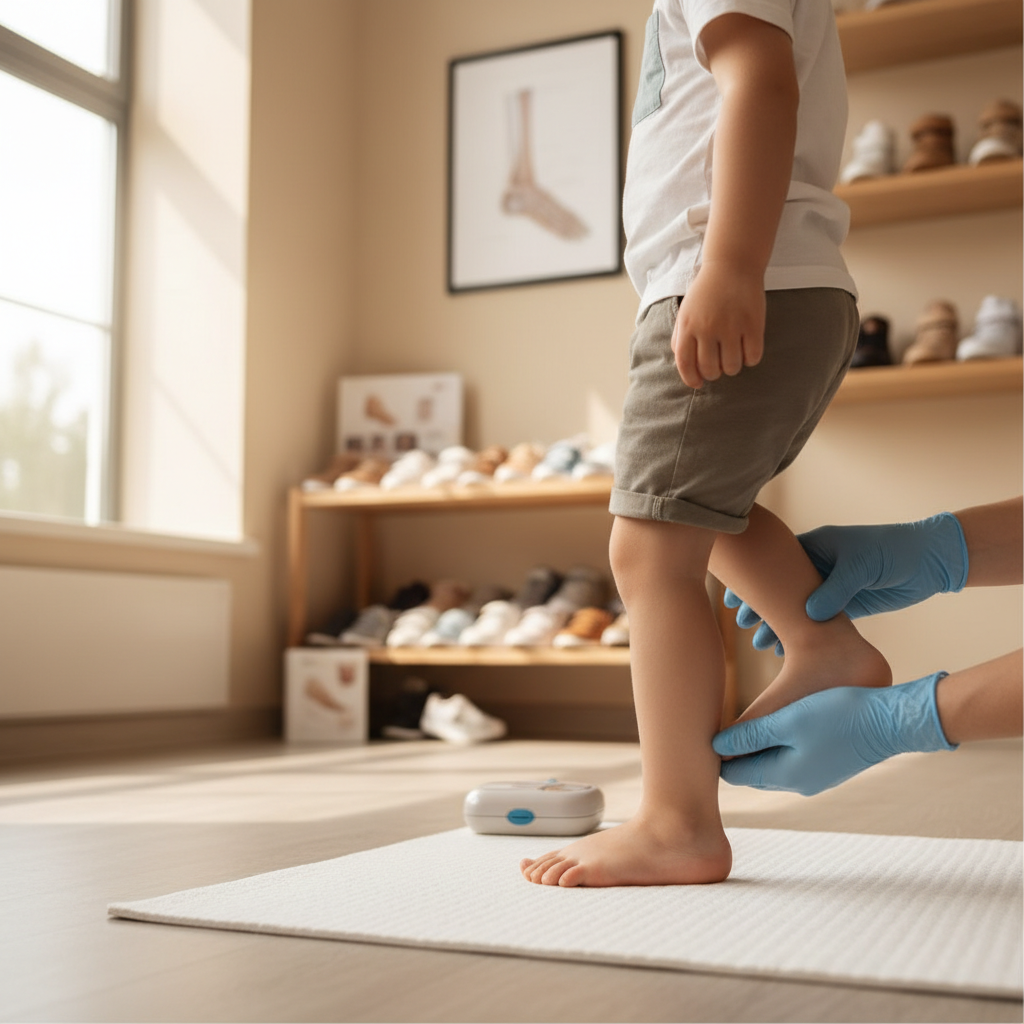
Curious about your child's walking style, or why their new shoes already feel tight? Their feet are a marvel of development, constantly changing as they grow from tiny steps to confident strides. Understanding these changes can help you support their healthy foot growth.
From the moment they start to crawl, our children's feet are busy developing. Those tiny, often chubby, feet have a lot of growing and strengthening to do as they learn to stand, walk, run, and jump. At Foot Health Centers, Dr. Michael Lyons and Dr. Robert Wenzler love helping families understand these changes.
The Journey of Foot Development
Unlike an adult's foot, a baby's foot is mostly cartilage. Over time, bones replace this cartilage through a process called ossification. This process continues well into the teenage years, with the last bones in the foot not fully hardening until around age 18. This means a child's foot is much more flexible and vulnerable than an adult's.
- **Babies:** At first, baby feet often appear flat because of a fat pad in the arch area and very flexible ligaments. This is normal!
- **Toddlers:** As they start to walk, their feet begin to strengthen, and the fat pad may start to recede, allowing a visible arch to form. Toddlers often walk with their feet wide apart for balance, and some 'toe walking' can be a normal part of development.
- **School-Aged Children:** By this age, the arch should be well-defined for most children. Their gait becomes more refined, and their feet are getting stronger for more active play.
Common Concerns and What's Normal
It's natural for parents to wonder if their child's feet are developing correctly. Here are a few common observations:
- **Flat Feet (Pes Planus):** As mentioned, flat feet are common in babies and toddlers. Most children develop an arch between ages 2 and 6. If a child still has flat feet without pain and can stand on their tiptoes with an arch forming, it's often not a major concern.
- **In-toeing (Pigeon-toed) or Out-toeing:** Many children walk with their toes pointing slightly inward or outward. This is often due to rotational differences in the hip, thigh, or lower leg bones and usually corrects itself as they grow. True in-toeing or out-toeing from the foot itself is less common.
- **Toe Walking:** While some toe walking is normal in toddlers as they explore movement, persistent toe walking beyond age 2 often warrants a closer look, especially if it's constant.
Supporting Healthy Foot Growth
Here are some simple ways to support your child's developing feet:
- **Barefoot Play:** Allow infants and toddlers to spend time barefoot on safe surfaces. This helps strengthen the foot muscles and ligaments, and allows nerve endings to get important sensory input.
- **Proper Footwear:** When shoes are necessary, choose ones that are flexible, fit well (not too tight or too loose), and have enough room for toes to wiggle. Avoid stiff, restrictive shoes.
- **Monitor Growth:** Children's feet grow quickly! Check shoe size regularly, every few months for younger children.
- **Active Play:** Encourage plenty of running, jumping, and playing. This natural movement helps build strong feet and healthy development.
When to See a Podiatrist
While many developmental variations are normal, it's always best to be proactive. If you notice any of the following, Dr. Lyons or Dr. Wenzler would be happy to see your child:
- Your child frequently complains of foot or leg pain.
- There's a noticeable difference in how your child walks compared to other children their age.
- One foot looks significantly different from the other.
- Your child is tripping or falling frequently due to their foot position.
- You observe persistent in-toeing, out-toeing, or toe walking after age 2 or 3.
- Any lumps, bumps, or skin changes like persistent rashes or ingrown toenails.
Educational content only. Not a substitute for professional medical advice, diagnosis, or treatment. If you are experiencing foot or ankle pain, please schedule an appointment with our office.