
Tired of Heel Pain? Understanding and Healing Achilles Tendinitis
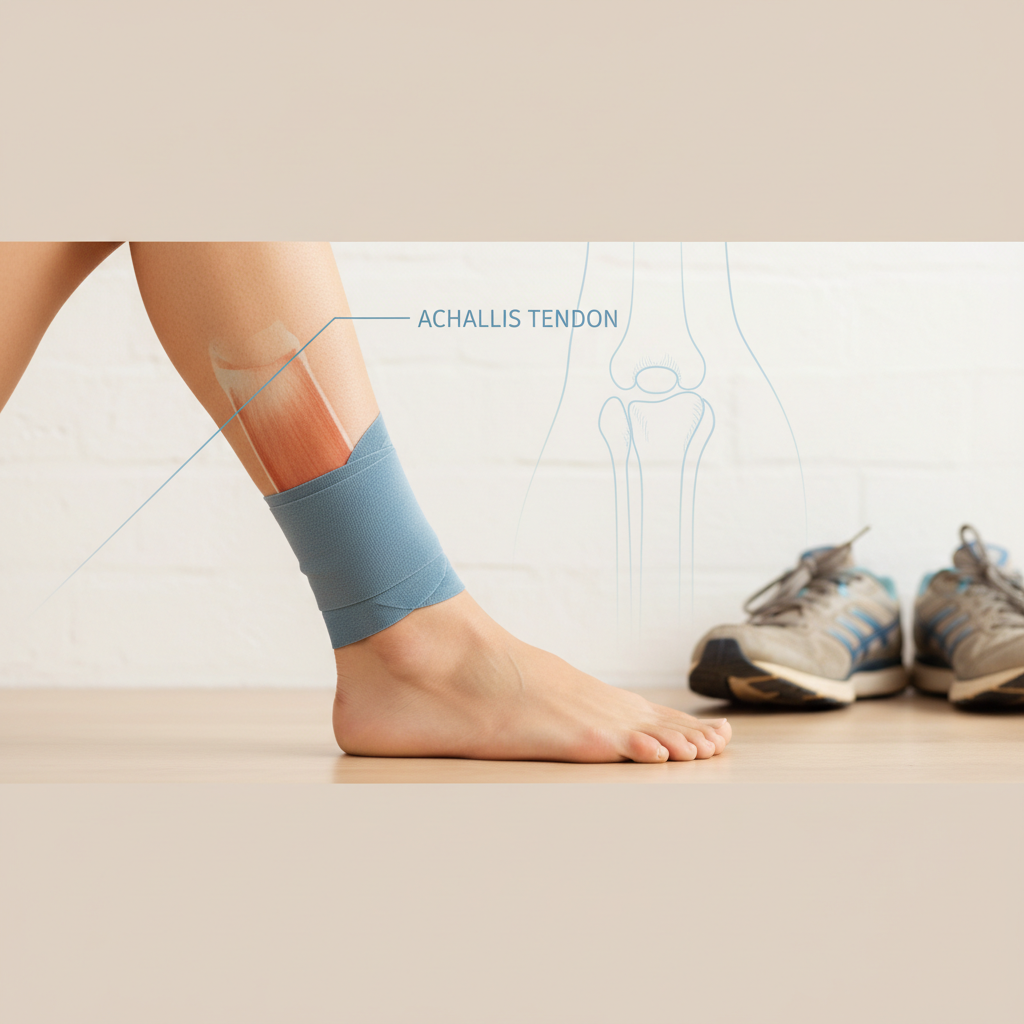
That nagging pain in the back of your heel could be your Achilles tendon crying for help. Discover what causes Achilles tendinitis and how to find lasting relief.
Does the back of your heel feel tender, stiff, or outright painful, especially when you start moving after rest? You're not alone! This common complaint often points to a condition called Achilles tendinitis, and it's something we see quite often here at Foot Health Centers.
What Exactly is the Achilles Tendon?
Think of the Achilles tendon as the body's strongest tendon. It's that thick cord you can feel above your heel, connecting your calf muscles to your heel bone. It's absolutely essential for walking, running, jumping, and even just standing on your tiptoes. Whenever you push off the ground, your Achilles tendon is hard at work.
Why Does it Become Painful? (Achilles Tendinitis)
Achilles tendinitis simply means that your Achilles tendon has become irritated and inflamed. This usually happens from overuse or sudden increases in activity. Imagine going from being a couch potato to running a marathon in a week – that's a recipe for unhappy tendons! Other common culprits include:
- **Sudden increase in activity:** Starting a new exercise routine too intensely.
- **Tight calf muscles:** This puts extra strain on the tendon.
- **Improper footwear:** Shoes without enough support or cushioning.
- **Bone spurs:** Sometimes a bony growth on the heel can rub against the tendon.
- **Foot structure issues:** Flat feet or high arches can alter the mechanics.
Spotting the Signs: Symptoms to Watch For
Symptoms of Achilles tendinitis usually develop gradually. You might notice:
- Aching or stiffness in the back of your heel, particularly in the morning or after resting.
- Pain along the tendon that worsens with activity.
- Tenderness to the touch or when squeezing the tendon.
- Mild swelling.
These symptoms can range from a nuisance to severe pain that makes walking difficult.
Practical At-Home Relief for Your Achilles
The good news is that many cases of Achilles tendinitis can improve with sensible at-home care. The key is to reduce strain and encourage healing. Here are some tips:
- **REST:** This is a big one. Avoid activities that aggravate your pain. Switching to lower-impact exercises like swimming or cycling can help.
- **ICE:** Apply an ice pack to the affected area for 15-20 minutes, several times a day, especially after activity.
- **COMPRESSION:** A compression bandage can help reduce swelling.
- **ELEVATION:** Prop your foot up to reduce swelling, especially after activity or before bed.
- **STRETCHING:** Gentle calf stretches (after warming up) can help improve flexibility. Hold each stretch for 30 seconds and repeat a few times. Don't bounce!
- **PROPER FOOTWEAR:** Wear shoes with good arch support and adequate cushioning. Avoid flimsy sandals or going barefoot if you're experiencing pain.
- **STRENGTHENING EXERCISES:** Once pain subsides, very gradually introduce exercises to strengthen your calf muscles, as recommended by a professional.
Remember, consistency with these steps is crucial for recovery.
When to See a Podiatrist
While home remedies are a great starting point, some Achilles tendinitis issues need a bit more attention. It's time to visit Dr. Lyons or Dr. Wenzler at our Hernando or Southaven clinics if:
- Your pain is severe or suddenly gets much worse.
- You can't put weight on your foot.
- Your symptoms don't improve after a few weeks of consistent home care.
- You notice a popping or snapping sound, which could indicate a more serious injury (like a tear).
We can accurately diagnose the problem, rule out other conditions, and develop a personalized treatment plan that might include custom orthotics, physical therapy referrals, or other advanced techniques to get you back on your feet comfortably. Don't let Achilles pain sideline you from the activities you love; we're here to help you heal and prevent future issues.
Educational content only. Not a substitute for professional medical advice, diagnosis, or treatment. If you are experiencing foot or ankle pain, please schedule an appointment with our office.