
Sweet Steps to Safety: Your Guide to Healthy Diabetic Feet
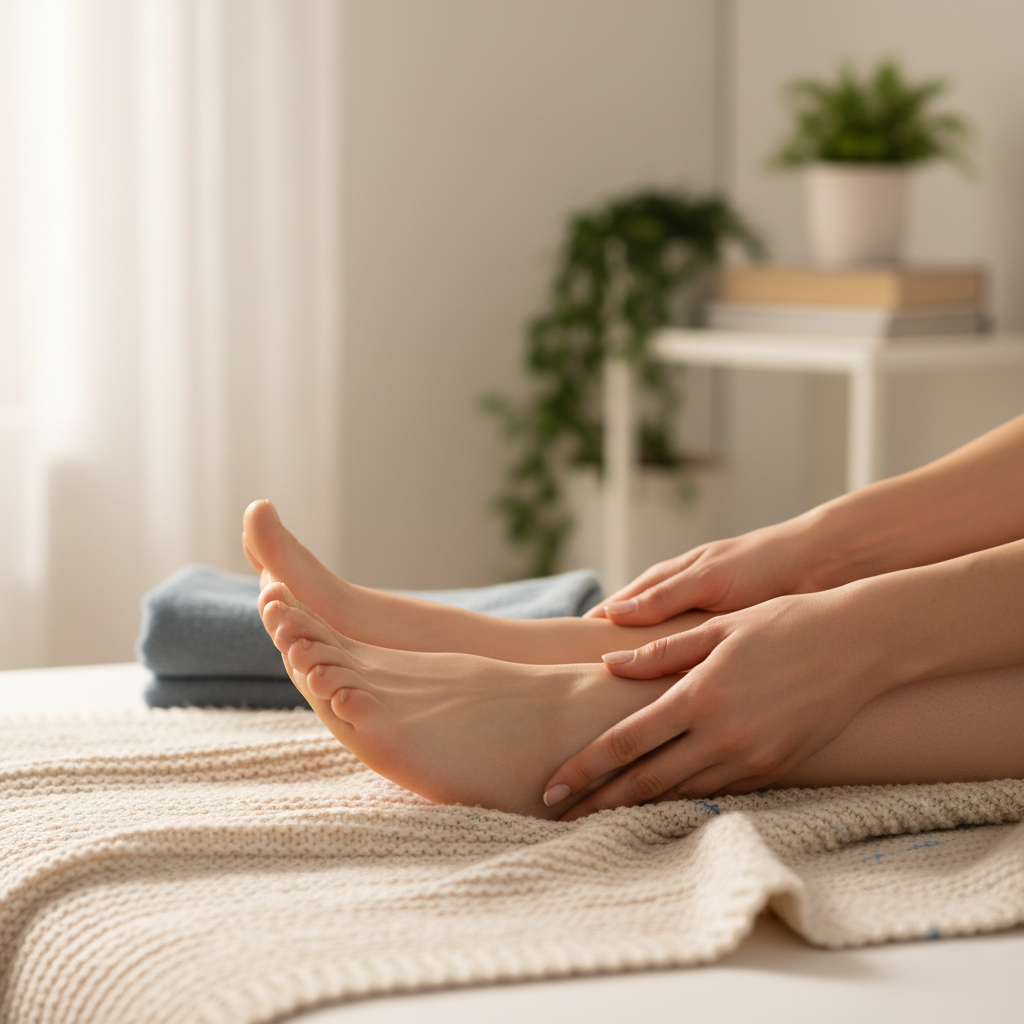
Living with diabetes means paying extra attention to your feet. Discover practical, everyday tips to keep them healthy and prevent serious complications. Your comfort and well-being start from the ground up!
Have you ever thought about how much your feet do for you every day? If you live with diabetes, your feet need a little extra TLC. Good diabetic foot care isn't just a recommendation; it's a vital part of staying healthy and active.
Diabetes can affect your feet in several ways, often without you even noticing at first. High blood sugar can damage nerves (neuropathy), leading to numbness or tingling. It can also reduce blood flow (peripheral artery disease), making it harder for cuts or sores to heal. These issues can turn a small problem into a big one if not caught early.
Why Your Feet Need Special Attention
Think of your feet as early warning systems. Because nerve damage can make you lose sensation, you might not feel a blister, a cut, or even something as simple as a pebble in your shoe. Without feeling pain, these minor injuries can worsen, become infected, and lead to more serious complications. That's why being proactive about foot care is so important.
Daily Habits for Healthy Feet
Keeping your feet healthy when you have diabetes is all about a consistent routine. Here are some simple, yet powerful, steps you can take every day:
* **Inspect Your Feet Daily:** Make it a habit to check your feet thoroughly every day. Look for cuts, sores, blisters, redness, swelling, or ingrown toenails. If it's hard to see the bottom of your feet, use a mirror or ask a family member for help. * **Wash Them Gently:** Wash your feet daily with lukewarm water and mild soap. Avoid soaking them, as this can dry out your skin. After washing, dry your feet carefully, especially between the toes, to prevent fungal infections. * **Moisturize, But Not Between Toes:** Apply a good quality lotion or cream to keep your skin soft and prevent cracking. Just be sure to avoid applying lotion between your toes, as this can encourage fungal growth. * **Trim Toenails Carefully:** Cut your toenails straight across, not too short, to prevent ingrown toenails. If you have trouble seeing or reaching your feet, or if your nails are thick, don't hesitate to ask for professional help. * **Wear the Right Shoes and Socks:** Always wear shoes and socks, even indoors. Choose well-fitting, comfortable shoes that don't rub or pinch. Seamless socks made of moisture-wicking materials can help keep your feet dry and reduce friction. * **Never Go Barefoot:** Going barefoot, even at home, puts your feet at risk for cuts and injuries that you might not feel.
Protecting Your Feet from Injury
Beyond daily checks, take extra precautions to protect your feet:
* **Check Inside Your Shoes:** Before putting on your shoes, check inside for anything that could rub or cause pressure, like loose objects or torn linings. * **Avoid Extreme Temperatures:** Test bath water with your elbow before stepping in. Protect your feet from hot pavement or sand in summer, and extremely cold temperatures in winter. * **Stay Active (Wisely):** Regular physical activity is great for circulation. Choose low-impact activities like walking or swimming, and always wear appropriate footwear.
When to See a Podiatrist
Even with the best at-home care, there are times when professional help is essential. Don't wait to see Dr. Lyons or Dr. Wenzler if you notice any of the following:
* Any cut, sore, blister, or wound that doesn't start healing within a day or two. * Changes in skin color, temperature, or swelling. * Pain, tingling, or burning in your feet. * Ingrown toenails or calluses that bother you. * Any sign of infection, such as redness, warmth, pus, or fever.
Regular check-ups with a podiatrist are a crucial part of your diabetes management plan. We can spot problems early, provide expert care for complex issues, and help you maintain the best possible foot health. Your feet are precious, and with proper care, they can carry you through a long, healthy life.
Educational content only. Not a substitute for professional medical advice, diagnosis, or treatment. If you are experiencing foot or ankle pain, please schedule an appointment with our office.