
Stepping Up Your Foot Health: A Guide to Choosing the Right Shoes
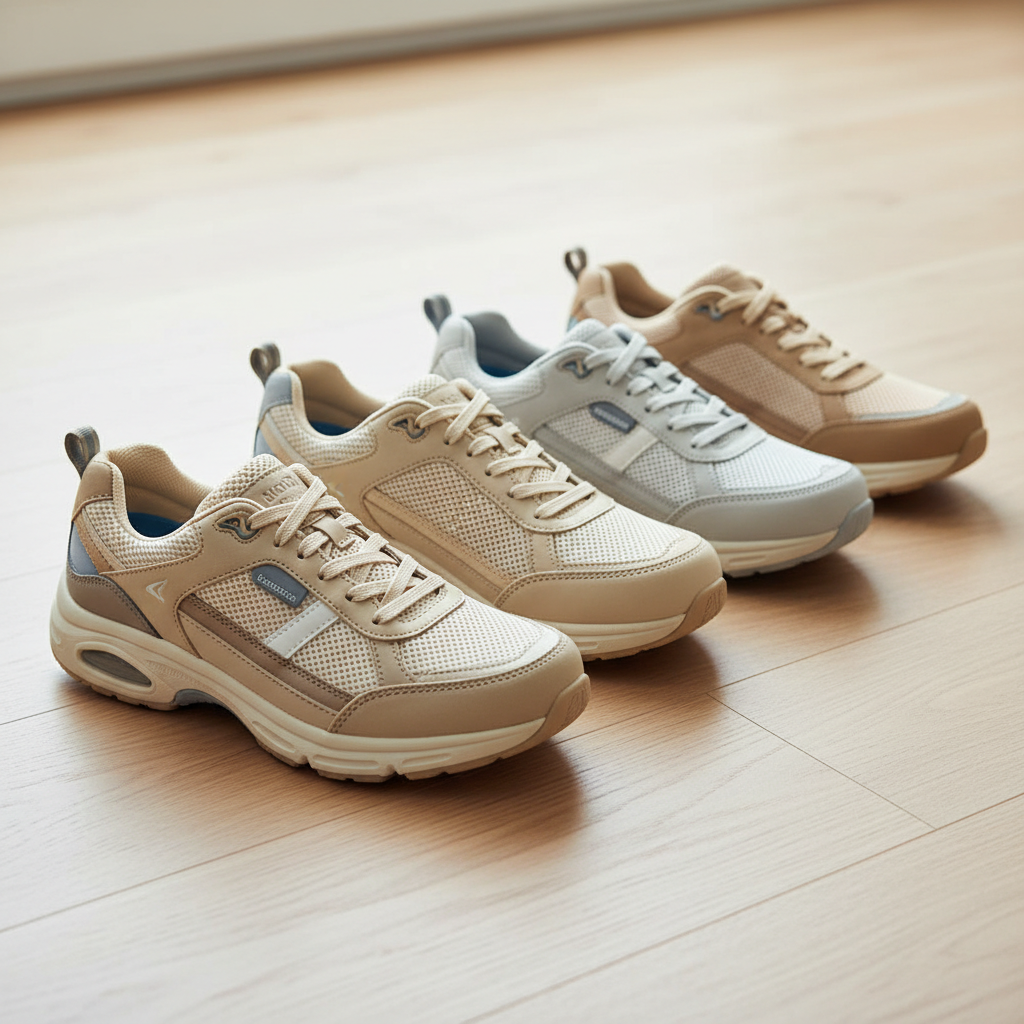
Ever wonder if your shoes are helping or hurting your feet? The right pair can make all the difference, preventing pain and boosting your overall well-being. Let's find your perfect fit!
Do your feet ache at the end of the day? Or maybe you've had a persistent foot or ankle issue that just won't clear up? Often, the culprit is right on your feet: your shoes!
At Foot Health Centers, serving Hernando and Southaven, Dr. Michael Lyons and Dr. Robert Wenzler frequently see how much of an impact the right — or wrong — footwear can have on your foot health. Think of your shoes as the foundation for your body; if the foundation isn't sturdy and supportive, problems can arise all the way up your kinetic chain.
Why Your Shoes Matter More Than You Think
Your feet are complex structures, each containing 26 bones, 33 joints, and over 100 muscles, tendons, and ligaments. They absorb the shock of thousands of steps every day. Good shoes provide the necessary support, cushioning, and stability to protect these structures, distribute pressure evenly, and help prevent common issues like bunions, hammertoes, plantar fasciitis, and heel pain.
Wearing ill-fitting or unsupportive shoes can lead to various problems, from blisters and corns to more serious conditions like stress fractures or aggravated arthritis. Investing a little time in choosing the right pair can save you a lot of discomfort and potential medical visits down the road.
Key Features of a Great Shoe
When you're out shoe shopping, keep these factors in mind. It's not just about how they look!
* **Comfort is King:** Above all, a shoe should feel comfortable from the moment you try it on. Don't expect to "break them in." If they don't feel good in the store, they won't feel good later. * **Arch Support:** Look for shoes with good arch support that matches the natural curve of your foot. This helps distribute pressure and can prevent arch pain. * **Proper Fit:** There should be about a thumb's width between your longest toe and the end of the shoe. Your heel should fit snugly without slipping, and the widest part of your foot should match the widest part of the shoe. * **Flexible Forefoot, Sturdy Heel:** The shoe should bend easily where your toes bend, but the heel should be firm and provide good stability. Try twisting the shoe; it shouldn't wring out easily like a rag. * **Breathable Materials:** Materials like leather, mesh, or canvas allow air circulation, which can help prevent fungal infections. * **Low Heel:** For everyday wear, a heel height of an inch or less is ideal. High heels can shift your body weight forward, putting excessive pressure on the balls of your feet.
Practical Tips for Shoe Shopping
Ready to find your next favorite pair?
* **Shop Later in the Day:** Your feet swell throughout the day, so shopping in the afternoon or evening can ensure you get a size that accommodates this. * **Wear the Right Socks:** Bring the type of socks you typically wear with the shoes you're trying on. * **Stand and Walk Around:** Don't just sit there! Stand up, walk a few steps, and even try a little jog to ensure they feel good in motion. * **Measure Your Feet Regularly:** Foot size can change over time due to age, weight fluctuations, or even pregnancy. Get your feet measured each time you buy shoes. * **Replace Worn-Out Shoes:** Pay attention to the wear pattern on your soles. If the tread is gone or the cushioning feels flat, it's time for a new pair.
When to See a Podiatrist
While good shoes can prevent many problems, they aren't a cure-all. If you're experiencing persistent foot pain, numbness, tingling, or notice any unusual bumps or changes in your feet, it's time to visit a professional. Dr. Lyons and Dr. Wenzler at Foot Health Centers in Hernando and Southaven can diagnose the issue and recommend appropriate treatment, which might include custom orthotics or other interventions to get you back on your feet comfortably. Don't let discomfort go unchecked!
Educational content only. Not a substitute for professional medical advice, diagnosis, or treatment. If you are experiencing foot or ankle pain, please schedule an appointment with our office.