
Stepping Toward Recovery: Your Guide to Healing After Foot Surgery
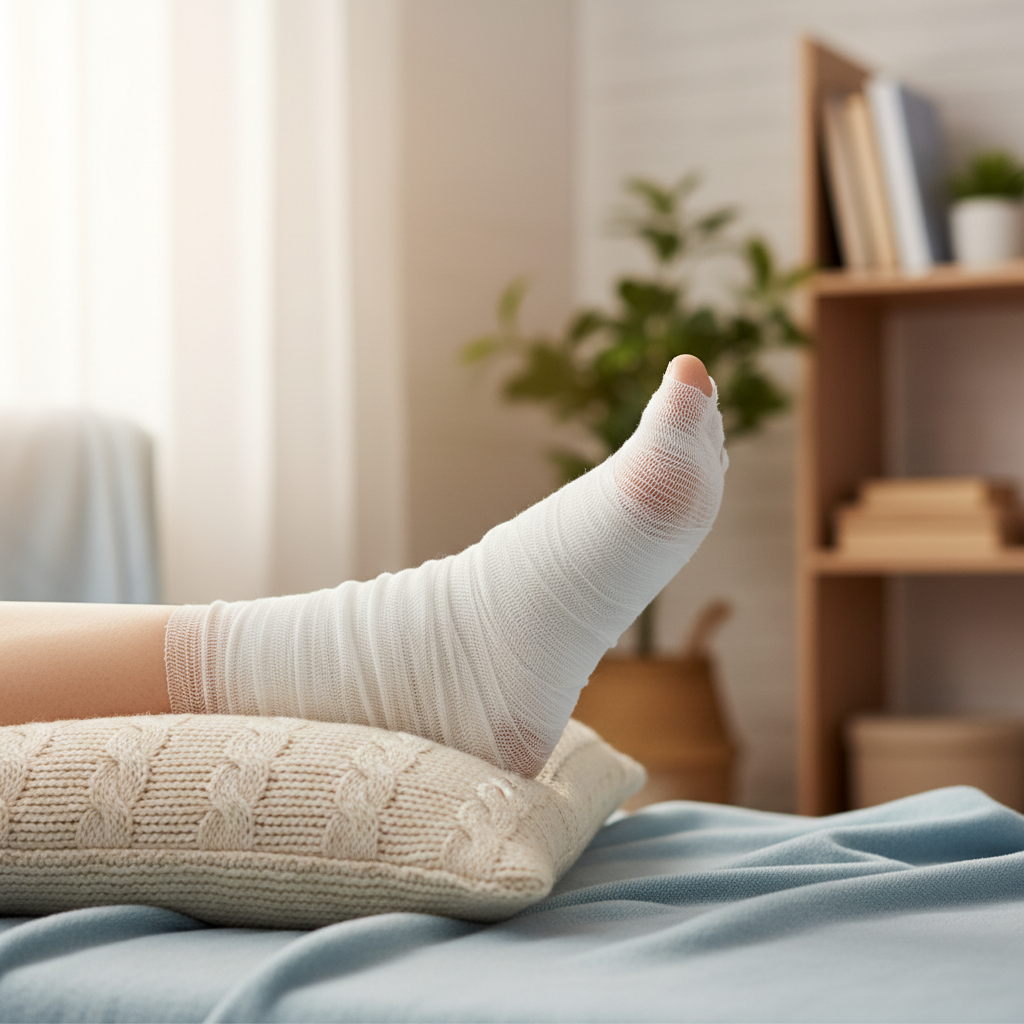
Just had foot surgery? Wondering how to make your recovery as smooth as possible? We've got practical, easy-to-follow tips to help you heal comfortably and get back on your feet faster.
So, you've had foot or ankle surgery – congratulations on taking a big step towards better foot health! Now comes the crucial part: recovery. It's not just about letting time pass; it's about actively supporting your body's healing process. We're here to guide you through it, making sure you understand what to expect and how to help yourself heal wonderfully.
Listen to Your Body (and Your Doctor!)
This might seem obvious, but it's the golden rule. Your podiatrist, Dr. Lyons or Dr. Wenzler, gave you specific instructions for a reason. These aren't suggestions; they're your roadmap to recovery. Follow them closely, especially regarding weight-bearing restrictions, wound care, and medication schedules. If something doesn't feel right, or you have a question, don't hesitate to call us.
Managing Pain and Swelling
Pain and swelling are normal parts of the healing process, but they can be managed effectively. Think of the R.I.C.E. principles:
* **Rest:** Elevate your foot above your heart as often as possible, especially in the first few days. This helps reduce swelling and throbbing. * **Ice:** Apply an ice pack (wrapped in a thin towel to protect your skin) for 15-20 minutes at a time, several times a day. This is fantastic for pain and swelling. * **Compression:** If advised by your doctor, use a compression bandage or stocking to help control swelling. * **Elevation:** Again, keep that foot up! It makes a huge difference.
Take prescribed pain medication as directed. Don't wait until the pain is severe; stay ahead of it. If you're experiencing pain that isn't controlled by your medication, contact our office.
Wound Care is Key
Your incision site needs careful attention to prevent infection. Keep the area clean and dry, following our specific instructions for dressing changes. Watch for any signs of infection, such as:
* Increased redness or warmth around the incision * Pus or discharge * Fever * Increased pain
If you notice any of these, call us right away.
Nutrition and Hydration
Your body is working hard to heal, and it needs good fuel! Focus on a balanced diet rich in protein, fruits, and vegetables. Protein helps repair tissues, while vitamins and minerals support overall healing. And don't forget to drink plenty of water – staying hydrated is crucial for every bodily function, including recovery.
Gentle Movement (When Approved)
While rest is important, so is carefully following any instructions for gentle movement or exercises once your doctor gives the go-ahead. This helps prevent stiffness and promotes circulation. Do NOT push through pain; always listen to your body and our team.
Don't Rush It
Recovery takes time. It's easy to feel impatient, especially when you're used to being active. But rushing the process can lead to setbacks, re-injury, and a longer overall recovery. Be patient with yourself and your body. Celebrate small victories in your healing journey.
When to See a Podiatrist
While we've covered common recovery experiences, it's vital to know when to seek professional advice. Always contact Dr. Lyons or Dr. Wenzler if you experience:
* Sudden, severe, or worsening pain * Signs of infection (as listed above) * Numbness or tingling that wasn't there before * Inability to bear weight when instructed to do so * Any concerns or questions about your recovery or medication.
Your successful recovery is our priority at Foot Health Centers. We're here to support you every step of the way as you heal and get back to enjoying life on healthy feet!
Educational content only. Not a substitute for professional medical advice, diagnosis, or treatment. If you are experiencing foot or ankle pain, please schedule an appointment with our office.