
Smooth Steps: Taming Calluses, Corns, and Cracked Heels
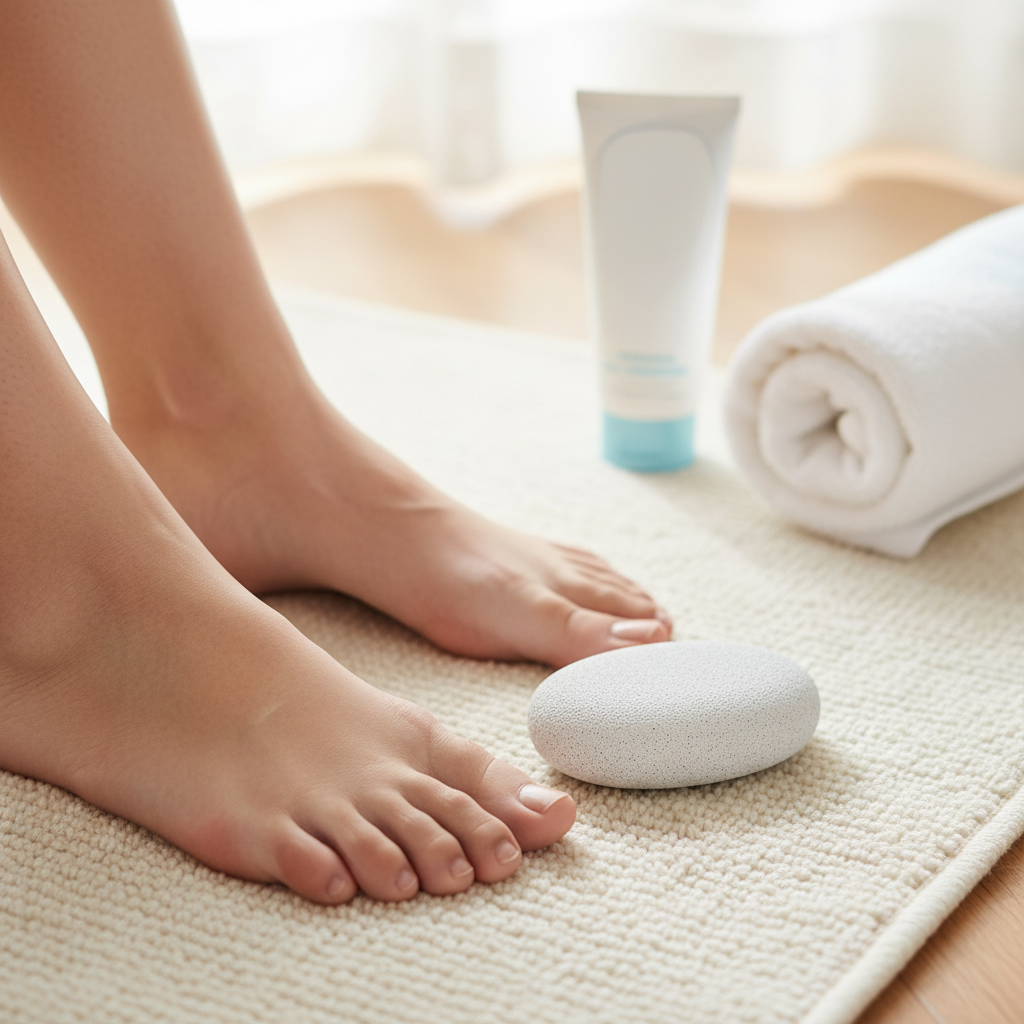
Tired of rough, uncomfortable feet? Calluses, corns, and cracked heels can be more than just annoying – they can be painful. Discover easy ways to soothe your soles and keep your feet happy.
Ever feel like your feet are telling a story of hard work, perhaps a *too* hard story, with rough patches and uncomfortable spots? You're not alone. Many of us deal with calluses, corns, and cracked heels, which can make every step a little less enjoyable.
These common foot issues are often your body's way of protecting itself, but sometimes that protection goes a little overboard, leading to pain and discomfort. Let's explore what causes them and how we can bring some relief to your hardworking feet.
What Are Calluses and Corns?
Think of calluses and corns as thickened areas of skin. They develop as a response to repeated pressure or friction. Your body, in an effort to protect the skin and underlying tissues, lays down extra layers of skin cells.
* **Calluses** are generally broader, flatter areas of thickened skin. They often appear on the soles of your feet, especially under the balls of your feet or on your heels, or on the sides of your big toes. They usually aren't painful unless they become very thick or crack. * **Corns** are smaller, more concentrated areas of thickened skin. They have a distinct, hard core that can press into nerve endings, making them quite painful. Corns typically form on the tops or sides of your toes, or between them.
The main culprits for both? Poorly fitting shoes that rub or squeeze, walking barefoot too often, or foot deformities that cause uneven pressure.
Understanding Cracked Heels
Cracked heels, also known as heel fissures, occur when the skin on your heels becomes dry and loses its elasticity. As you walk, the fat pad under your heel expands, putting pressure on this dry skin, which then splits open. This can range from shallow, cosmetic cracks to deep, painful fissures that can even bleed or become infected.
Common reasons for cracked heels include:
* Prolonged standing, especially on hard surfaces. * Wearing open-backed shoes or sandals that don't offer much support. * Very dry skin, often made worse by hot baths or showers. * Lack of moisture and nutrients in the diet. * Medical conditions like athlete's foot, eczema, or diabetes.
Practical Tips for Relief at Home
The good news is that many cases of calluses, corns, and cracked heels can be managed with consistent at-home care. Here are some simple steps you can take:
* **Soak Your Feet:** A warm water soak for 10-15 minutes can soften hardened skin, making it easier to remove. * **Moisturize Daily:** Apply a rich foot cream or lotion, especially one containing ingredients like urea or salicylic acid, to clean, damp feet. This is crucial for cracked heels and generally helps keep all foot skin supple. * **Gentle Exfoliation:** After soaking, use a pumice stone, foot file, or emery board to gently rub away thickened skin on calluses and heels. Be gentle – never try to cut or shave off hardened skin yourself, as this can lead to injury or infection. * **Choose Proper Footwear:** This is perhaps the most important tip! Wear shoes that fit well, aren't too tight, and offer good cushioning and support. Avoid high heels or shoes that pinch your toes. For cracked heels, opt for closed-back shoes or sandals that cradle your heel. * **Use Protective Pads:** Over-the-counter padding can help reduce pressure on corns and calluses. Just be sure they don't shift and cause *more* rubbing.
Remember, consistency is key! Daily moisturizing and smart shoe choices can make a world of difference.
When to See a Podiatrist
While home care is often effective, there are times when professional help is needed. It's time to visit Dr. Lyons or Dr. Wenzler at Foot Health Centers in Hernando or Southaven if:
* You experience significant pain that interferes with your daily activities. * Your calluses, corns, or cracked heels become red, swollen, or show signs of infection (pus, warmth). * You have diabetes, poor circulation, or any other condition that affects foot healing, as even minor foot problems can become serious. * At-home treatments aren't providing relief after a few weeks. * You're unsure how to safely manage your foot condition.
Don't let foot discomfort hold you back! We're here to help you understand what's happening with your feet and find the best, safest path to healthier, happier steps.
Educational content only. Not a substitute for professional medical advice, diagnosis, or treatment. If you are experiencing foot or ankle pain, please schedule an appointment with our office.