
Smooth Steps: Banish Corns, Calluses, and Cracked Heels for Good!
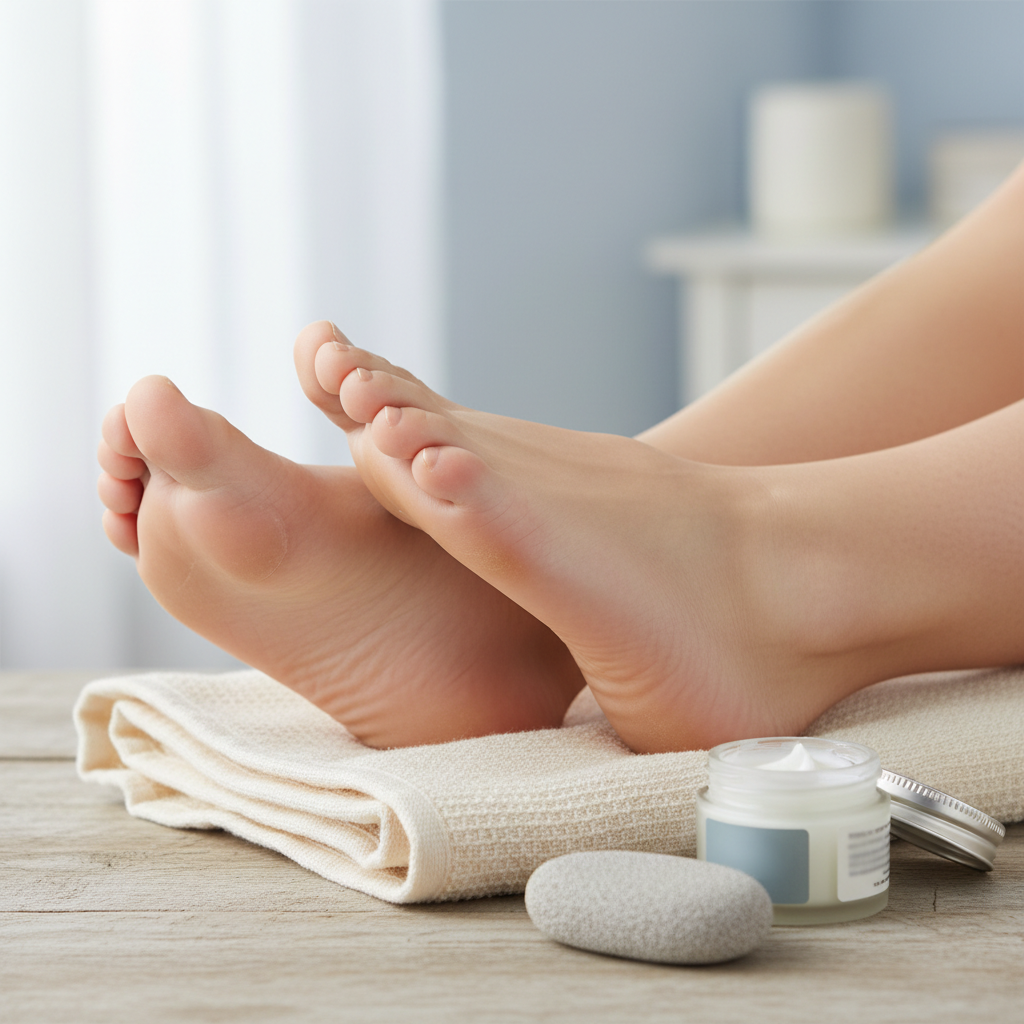
Tired of rough, uncomfortable feet? Corns, calluses, and cracked heels are common culprits that can make every step a bother. Discover simple ways to soothe and smooth your feet right at home.
Ever feel like your feet are trying to tell you something, maybe with a little 'ouch' here or a rough patch there? You're not alone! Many of us experience those annoying, often painful, foot issues like corns, calluses, and cracked heels.
These common problems are essentially your body's way of protecting itself, but sometimes that protection goes a bit too far, leading to discomfort. Let's dive into what causes them and how you can find relief.
What are Corns and Calluses?
Think of corns and calluses as toughened patches of skin that develop from repeated pressure or friction. It's like your skin is building a little armor where it feels threatened.
* **Calluses** are generally broader, flatter areas of thickened skin. They often form on the soles of your feet, especially under the balls or heels, and can also appear on your hands. They're usually not painful unless they become very thick. * **Corns** are smaller, more concentrated areas of hardened skin, often with a distinct center. They can be quite painful, especially when pressed, because they often have a hard 'core' that can press on nerves. Corns typically form on the tops or sides of your toes, or sometimes between them.
Why do they form?
Ill-fitting shoes are often the biggest culprit! Shoes that are too tight, too loose, or have high heels can rub and press against your feet in just the wrong ways. Foot deformities like bunions or hammertoes can also increase pressure in certain areas, leading to these tough spots.
Understanding Cracked Heels
Cracked heels, also known as heel fissures, occur when the skin on your heels becomes very dry, hard, and loses its elasticity. As you walk, the fat pad under your heel expands, and if the skin isn't supple enough to stretch with it, it can split.
What causes them?
Several factors can contribute to cracked heels:
* **Dry skin:** This is the primary cause. Cold weather, low humidity, and not moisturizing enough can dry out your skin. * **Open-backed shoes:** Sandals or flip-flops can allow the heel's fat pad to expand sideways, increasing pressure on the skin. * **Prolonged standing:** Especially on hard floors, this can put extra stress on your heels. * **Excess weight:** Adds more pressure to the heel pad. * **Certain medical conditions:** Diabetes, thyroid conditions, and some skin conditions can make you more prone to dry, cracked skin.
At-Home Care for Happier Feet
The good news is that many cases of corns, calluses, and cracked heels can be managed with simple home care.
For Corns and Calluses:
* **Soak your feet:** Immerse your feet in warm, soapy water for 10-15 minutes to soften the hardened skin. * **Gently exfoliate:** After soaking, use a pumice stone or foot file to carefully rub away the dead skin. Don't scrub too hard – you want to remove layers gradually, not cause irritation. * **Moisturize daily:** Apply a rich foot cream or lotion, especially one containing urea or alpha hydroxy acids, to keep skin soft and prevent further buildup. * **Wear proper footwear:** Choose shoes that fit well, have ample toe room, and provide good cushioning. Avoid high heels for extended periods. * **Use padding:** Over-the-counter corn pads (non-medicated) can help reduce pressure on sensitive spots.
For Cracked Heels:
* **Moisturize, moisturize, moisturize:** Apply a thick moisturizer to your heels at least twice a day. Look for ingredients like urea, lactic acid, or petroleum jelly. For an intensive treatment, apply cream, cover with cotton socks, and wear overnight. * **Exfoliate gently:** Similar to corns and calluses, a pumice stone can help remove dry, thickened skin, but be very gentle, especially if the cracks are deep. * **Wear appropriate footwear:** Opt for closed-back shoes that cushion your heels. Avoid walking barefoot for long periods. * **Stay hydrated:** Drinking enough water benefits your skin's overall health.
When to See a Podiatrist
While home care can be effective, sometimes these foot issues require professional attention. It's time to visit Dr. Lyons or Dr. Wenzler at Foot Health Centers if:
* Your corns, calluses, or cracked heels are very painful, bleeding, or show signs of infection (redness, swelling, pus). * You have diabetes, poor circulation, or another condition that affects wound healing – even minor foot problems can become serious. * Home treatments aren't providing relief, or the problem keeps recurring. * You're unsure about the best way to treat your specific foot condition.
We can safely remove corns and calluses, provide prescription-strength creams for cracked heels, and help identify the underlying cause to prevent future issues. Don't let foot discomfort keep you from enjoying life – we're here to help you put your best foot forward, comfortably!
Educational content only. Not a substitute for professional medical advice, diagnosis, or treatment. If you are experiencing foot or ankle pain, please schedule an appointment with our office.