
Happy Feet, Healthy Start: Nurturing Your Child's Foot Development
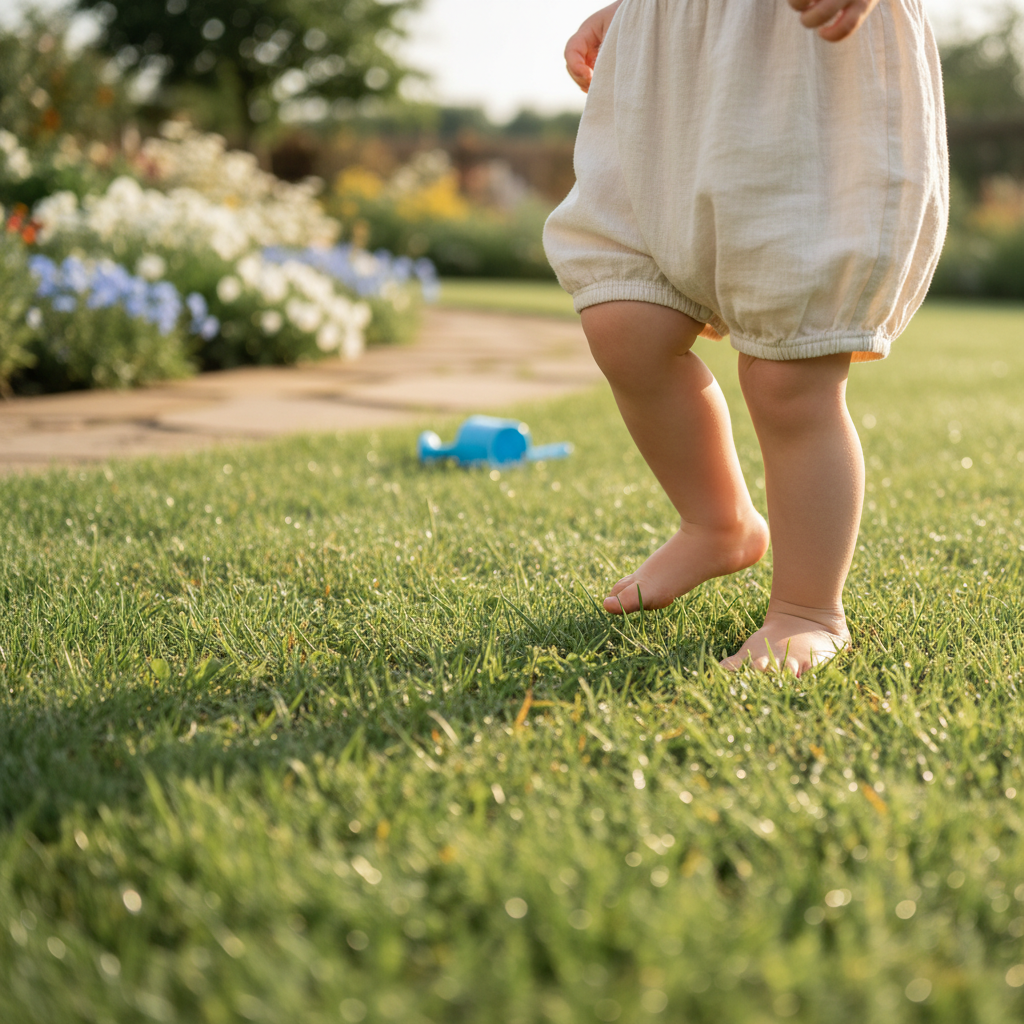
Ever wondered about those tiny toes and how they grow? Understanding your child's foot development is key to ensuring they have a healthy, active future. Discover practical tips to support their journey from crawling to running.
From their very first wiggle to their first steps, your child's feet are constantly changing and growing. It's a fascinating journey, and as parents, we all want to give our little ones the best possible start, especially when it comes to their foundation!
The Wonderful Journey of Little Feet
Think about how much those tiny feet do in just a few years! At birth, a baby's foot is mostly soft cartilage, not fully formed bone. This makes them incredibly flexible. Over time, these soft spots gradually harden into bones, a process that continues well into adolescence. This is why their early foot care is so important – their feet are literally molding into shape.
Birth to Walking: The First Steps
In the beginning, your baby's feet are pretty flat, and that's completely normal. The arch won't start to develop until around age two or three, as muscles and ligaments strengthen with walking and activity. Before they start walking, babies don't need shoes. In fact, going barefoot helps their feet develop naturally by allowing their toes to grip and muscles to strengthen. When they do start walking, focus on flexible, lightweight shoes that mimic being barefoot.
Choosing the Right Shoes for Growing Feet
This is one of the most common questions we hear! As your child starts exploring the world on two feet, proper footwear becomes crucial. Here's what to look for:
- **Flexibility:** The shoe should bend easily at the ball of the foot, not be stiff.
- **Room to Grow:** Ensure there's about a thumb's width of space between the longest toe and the end of the shoe. Check their shoe size every few months, as kids' feet grow quickly!
- **Breathable Materials:** Leather or mesh helps prevent sweaty feet and potential fungal issues.
- **Flat and Firm Sole:** A flat sole (no heel) is best, with a firm heel counter for stability.
- **Avoid Hand-Me-Downs:** While tempting, hand-me-down shoes have molded to another child's foot and might not offer the right support for yours.
Common Foot Concerns in Children
Sometimes, parents notice things that make them wonder. Here are a few common observations:
- **Flat Feet:** As mentioned, flat feet are normal in toddlers. The arch usually develops by age 5-7. Most children with flat feet don't experience pain and don't require treatment.
- **Toe Walking:** Some children walk on their toes, especially when first learning. If it persists beyond age two or three, or if it's accompanied by other developmental delays, it's worth a check-up.
- **In-toeing or Out-toeing:** This means their feet turn inward or outward when they walk. Often, this corrects itself as they grow, but significant or worsening cases should be evaluated.
At-Home Tips for Healthy Little Feet
Nurturing your child's foot health doesn't have to be complicated. Here are some simple things you can do:
- **Encourage Barefoot Time:** Let them run and play barefoot on safe surfaces (grass, sand) to strengthen foot muscles.
- **Daily Foot Checks:** Quickly look over their feet for any cuts, bruises, blisters, or changes in toenails.
- **Proper Nail Trimming:** Trim toenails straight across to prevent ingrown toenails.
- **Keep Feet Clean and Dry:** This helps prevent fungal infections, especially between the toes.
- **Active Play:** Encourage lots of running, jumping, and climbing to build strong leg and foot muscles.
When to See a Podiatrist
While many childhood foot variations are normal and self-correcting, there are times when it's wise to seek a professional opinion. If you notice any of the following, Dr. Michael Lyons or Dr. Robert Wenzler at Foot Health Centers would be happy to evaluate your child's feet:
- Persistent pain in the feet or legs, especially after activity.
- Limping or avoiding physical activities.
- Significant in-toeing or out-toeing that doesn't improve with age.
- Unusual growth or lumps on the feet.
- Repeated ingrown toenails or persistent warts.
- Flat feet that cause pain or seem to be affecting their walking.
Remember, early attention to foot health can set your child up for a lifetime of happy, active movement. We're here to help guide you every step of the way!
Educational content only. Not a substitute for professional medical advice, diagnosis, or treatment. If you are experiencing foot or ankle pain, please schedule an appointment with our office.