
Happy Feet, Happy Life: Your Guide to Senior Foot Care
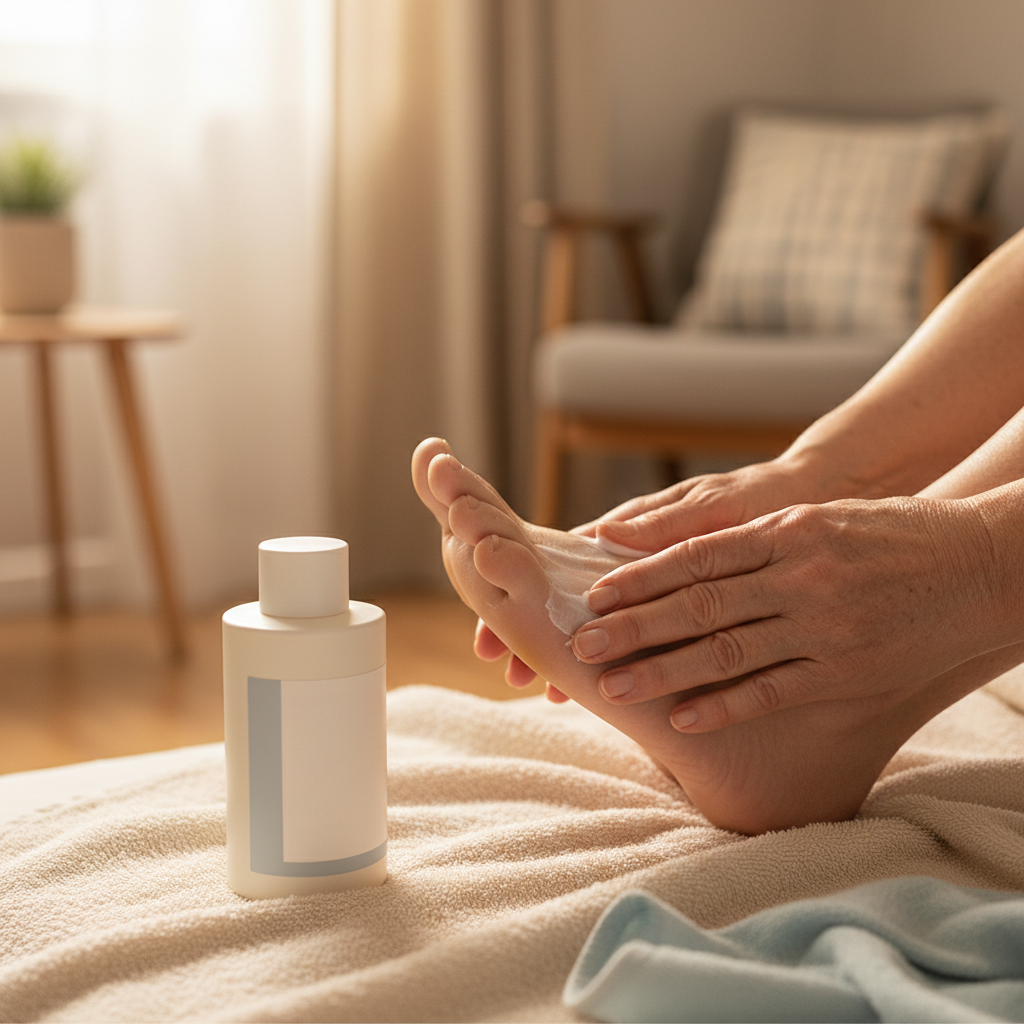
As we get older, our feet can face new challenges. Investing a little time in foot care now can make a big difference in your comfort and mobility for years to come.
Ever notice how your feet, which carried you through so many adventures, might start needing a little extra attention as you age? It's completely normal! Just like other parts of our bodies, our feet change over time, and a little proactive care can go a long way in keeping you comfortable and active.
At Foot Health Centers in Hernando and Southaven, MS, Dr. Michael Lyons and Dr. Robert Wenzler understand the unique challenges seniors face with their foot health. We're here to share some simple, practical tips to help you keep your feet feeling great.
Why Foot Care Becomes Even More Important
As we age, several factors can affect our foot health. Our skin might become thinner and drier, joints can stiffen, and circulation may not be as robust. Conditions like arthritis, diabetes, and nerve issues are also more common in older adults, and these can significantly impact your feet. Good foot care isn't just about comfort; it's about maintaining your independence and reducing the risk of falls or more serious problems.
Everyday Care for Healthy Senior Feet
Taking a few minutes each day or week to care for your feet can make a world of difference. Here are some simple habits to adopt:
* **Wash and Dry Daily:** Use mild soap and lukewarm water. Pay special attention to drying thoroughly between your toes to prevent fungal infections. A soft towel is best. * **Moisturize Regularly:** After washing, apply a good quality moisturizer to your entire foot, but avoid applying it between your toes. This helps prevent dry, cracked skin, which can be an entry point for bacteria. * **Inspect Your Feet:** Make it a daily ritual to check your feet for any changes. Look for cuts, blisters, redness, swelling, or changes in skin color or temperature. If you have trouble bending over, use a mirror or ask a family member for help. * **Trim Toenails Straight Across:** This helps prevent ingrown toenails. If your nails are thick or difficult to trim, or if you have diabetes, it’s best to have a podiatrist handle this. * **Wear Comfortable, Supportive Shoes:** Choose shoes with good arch support, a wide toe box, and low heels. They should fit well and not rub or pinch anywhere. Avoid flip-flops or high heels for everyday wear. * **Keep Moving:** Regular, gentle exercise like walking or stretching helps improve circulation to your feet. Consult your doctor or physical therapist for appropriate exercises.
The Right Footwear: A Senior's Best Friend
We can't stress enough the importance of good shoes. Your shoes are your feet's first line of defense! Poorly fitting shoes can lead to bunions, hammertoes, corns, calluses, and even more serious issues like diabetic foot ulcers. When buying shoes, try them on at the end of the day when your feet are slightly swollen, and always wear the type of socks you typically use.
When to See a Podiatrist
While at-home care is essential, there are times when professional help from Dr. Lyons or Dr. Wenzler is needed. Don't hesitate to schedule an appointment if you experience:
* Persistent pain, numbness, or tingling in your feet. * Wounds, sores, or cracks that don't heal, especially if you have diabetes. * Changes in the shape or color of your feet or toenails. * Difficulty walking or balancing. * Thickened, discolored, or ingrown toenails that are hard to manage.
Your feet work hard for you every day. Giving them the care they deserve will help you continue enjoying an active, comfortable life. We're here at Foot Health Centers to support your journey to healthier, happier feet!
Educational content only. Not a substitute for professional medical advice, diagnosis, or treatment. If you are experiencing foot or ankle pain, please schedule an appointment with our office.