
Happy Feet for Life: Your Guide to Diabetic Foot Care
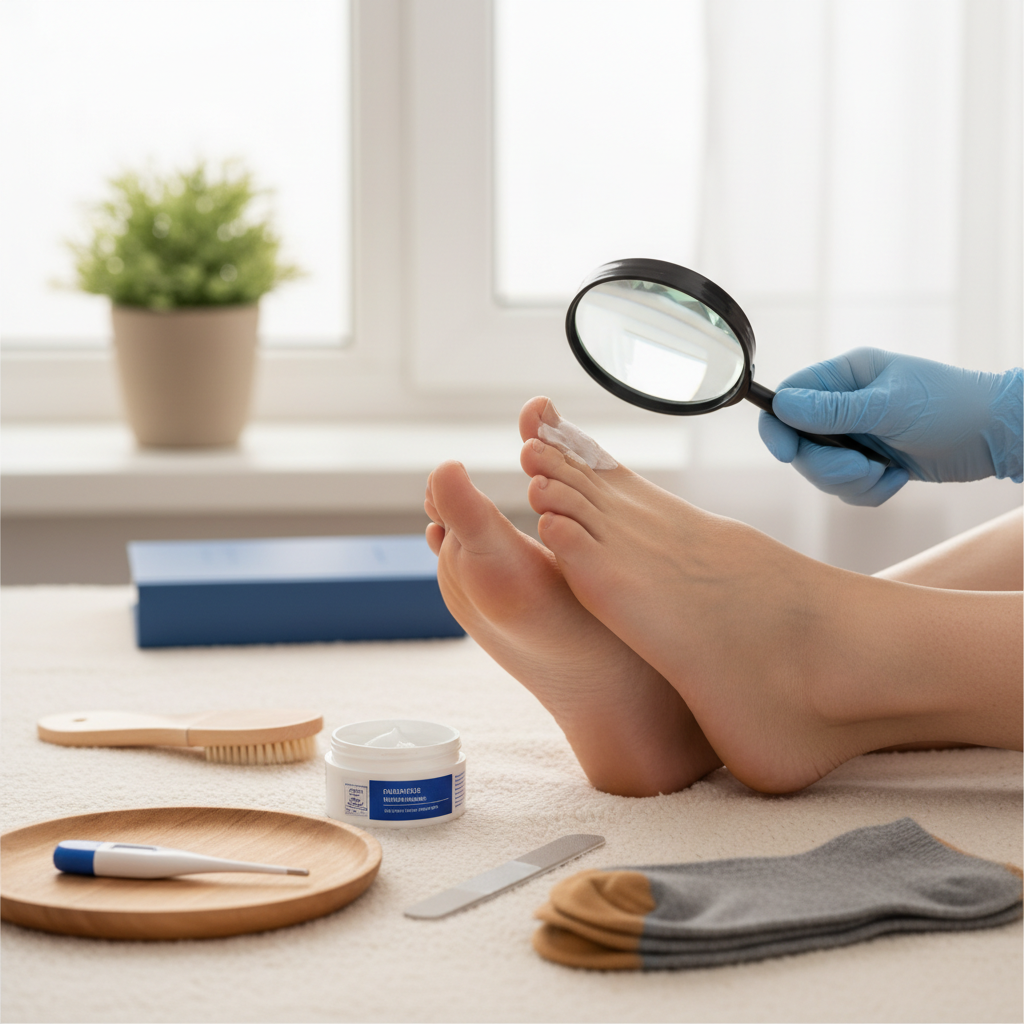
Did you know that taking good care of your feet is extra important if you have diabetes? Small steps today can prevent big problems tomorrow, keeping you active and comfortable.
Do you ever forget about your feet? It's easy to do, especially when life gets busy. But if you have diabetes, paying close attention to your feet is one of the best things you can do for your overall health and well-being.
Diabetes affects your body in many ways, and your feet are no exception. High blood sugar can damage nerves, leading to numbness (neuropathy), and can also reduce blood flow. These changes make your feet more vulnerable to injuries and infections that can heal slowly, sometimes leading to serious complications.
But don't worry! With a little care and attention, you can keep your feet healthy and happy. Let's explore some simple, everyday habits that make a big difference.
Daily Foot Checks: Your Feet's Best Friend
Think of your daily foot check as a mini health MOT for your feet. It only takes a few minutes but can spot small issues before they become big ones.
- **Inspect daily:** Look at the tops, bottoms, and sides of your feet, and in between your toes. Use a mirror if it's hard to see the bottom of your feet, or ask a family member for help.
- **What to look for:** Redness, swelling, cuts, blisters, sores, calluses, corns, bruised nails, or any changes in skin color or temperature.
- **Report changes:** If you notice anything unusual, don't try to treat it yourself. Call us at Foot Health Centers right away.
Proper Foot Hygiene: Clean and Dry is Key
Good hygiene is fundamental for preventing infections.
- **Wash daily:** Use lukewarm water and mild soap. Test the water temperature with your elbow or another part of your body first, not your feet, in case of nerve damage.
- **Dry thoroughly:** Gently pat your feet dry, especially between your toes, to prevent fungal infections.
- **Moisturize (but not between toes):** Apply a good quality lotion to keep your skin from drying, cracking, and itching. Avoid applying lotion between your toes as this can encourage fungal growth.
Choosing the Right Footwear: Your Feet's Armor
The shoes and socks you wear play a huge role in protecting your feet.
- **Comfortable shoes:** Opt for well-fitting, supportive shoes with plenty of room for your toes. Avoid high heels, pointed toes, and sandals with straps between the toes.
- **Avoid going barefoot:** Even at home, wear slippers or socks to protect your feet from cuts and punctures.
- **Socks are important:** Wear clean, dry socks that don't have tight elastic bands. Cotton, wool, or special diabetic socks are good choices that wick away moisture.
- **Check your shoes:** Before putting on your shoes, shake them out and feel inside. A small pebble or bunched-up sock can cause a sore you might not feel.
When to See Dr. Lyons or Dr. Wenzler
While daily care is crucial, professional help is vital. It's recommended to see a podiatrist at Foot Health Centers at least once a year for a comprehensive foot exam. However, don't wait for your annual appointment if you notice any of these issues:
- Any cut, blister, or sore that doesn't start to heal within a day or two.
- Swelling, redness, or pain in your feet or ankles.
- Ingrown toenails or fungal infections.
- Changes in the color or temperature of your feet.
- Burning, tingling, or numbness.
At Foot Health Centers, serving Hernando and Southaven, MS, Dr. Michael Lyons and Dr. Robert Wenzler are here to help you manage your diabetic foot health. We believe in empowering you with the knowledge and care needed to live your fullest life, free from foot worries. Give us a call today to schedule your next appointment.
Educational content only. Not a substitute for professional medical advice, diagnosis, or treatment. If you are experiencing foot or ankle pain, please schedule an appointment with our office.