
Happy Feet for Life: Your Guide to Diabetic Foot Care
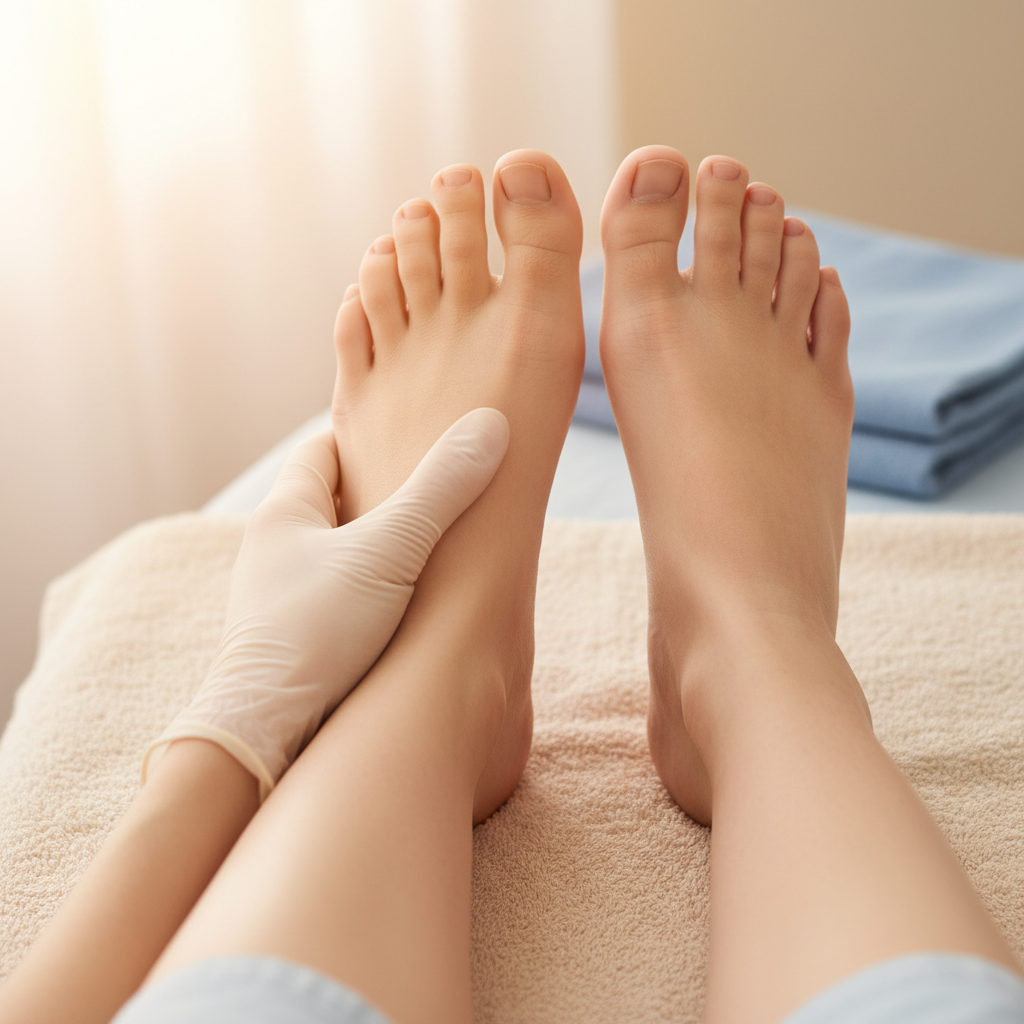
Did you know that taking good care of your feet is extra important if you have diabetes? Let's explore simple, everyday steps you can take to keep your feet healthy and happy, preventing potential problems down the road.
Ever thought about how much your feet do for you every day? They carry you through life's adventures, but for those with diabetes, these trusty companions need a little extra TLC. Good diabetic foot care isn't just a recommendation; it's a vital part of staying healthy and preventing serious issues.
Diabetes can affect your feet in a few ways. It can reduce blood flow, making it harder for cuts or sores to heal. It can also damage nerves, leading to numbness or tingling – meaning you might not feel a blister or injury until it's become a bigger problem. But don't worry, taking proactive steps can make all the difference!
Daily Foot Checks: Your Feet's Best Friend
Think of this as a quick daily check-in with your feet. It only takes a minute, but it's incredibly powerful.
* **Look them over carefully:** Check the tops, bottoms, and in between your toes. Use a mirror if it helps reach tricky spots. What are you looking for? Any cuts, blisters, red spots, swelling, or changes in skin color. * **Feel for changes:** Gently touch your feet. Do you feel any warmth, coolness, or unusual lumps? * **Don't forget your nails:** Are they growing normally? Any signs of ingrown nails or discoloration?
Catching problems early is key, and your daily check is your first line of defense.
Smart Footwear: Your Feet's Bodyguards
What you put on your feet matters a lot! Your shoes and socks are like guardians, protecting your feet from the world.
* **Always wear shoes and socks:** Even indoors! Going barefoot increases your risk of cuts and scrapes. * **Choose comfortable, well-fitting shoes:** Look for shoes with good arch support, plenty of room in the toe box, and soft, breathable materials. Avoid tight shoes or high heels. * **Break in new shoes gradually:** Don't wear new shoes for hours right away. Wear them for short periods to make sure they're comfortable and don't cause any rubbing. * **Smooth socks are best:** Opt for cotton or moisture-wicking synthetic socks without tight elastic or bulky seams that could rub. Change them daily.
Keeping Your Feet Clean and Hydrated
Simple hygiene plays a big role in preventing infections.
* **Wash daily:** Use lukewarm water and mild soap. Thoroughly dry your feet, especially between your toes, to prevent fungal infections. * **Moisturize (but not between toes):** Apply a good quality lotion to keep your skin from drying and cracking, which can create openings for germs. Just be sure to avoid applying lotion between your toes, as this can encourage fungal growth. * **Trim nails carefully:** Cut your toenails straight across, not too short, and file down any sharp edges. If you have trouble seeing or reaching your feet, or if your nails are thick, don't hesitate to ask for help from a family member or a podiatrist.
When to See a Podiatrist
While at-home care is essential, professional care is equally important. Dr. Lyons and Dr. Wenzler are here to help you keep your feet in top condition.
Make an appointment with us at Foot Health Centers in Hernando or Southaven if you notice any of the following:
* Any cut, blister, sore, or red spot that doesn't heal within a few days. * Any signs of infection, such as redness, swelling, pus, or fever. * Changes in skin color or temperature. * Numbness, tingling, or burning in your feet. * Ingrown toenails or toenail fungus. * Pain in your feet or legs.
You should also have regular foot check-ups with your podiatrist, usually once a year, even if everything seems fine. We can help identify potential issues before they become serious and provide personalized advice for your foot health. Your feet are precious – let's keep them happy and healthy together!
Educational content only. Not a substitute for professional medical advice, diagnosis, or treatment. If you are experiencing foot or ankle pain, please schedule an appointment with our office.