
Don't Trip Over These Common Foot Skin Woes: Warts & More
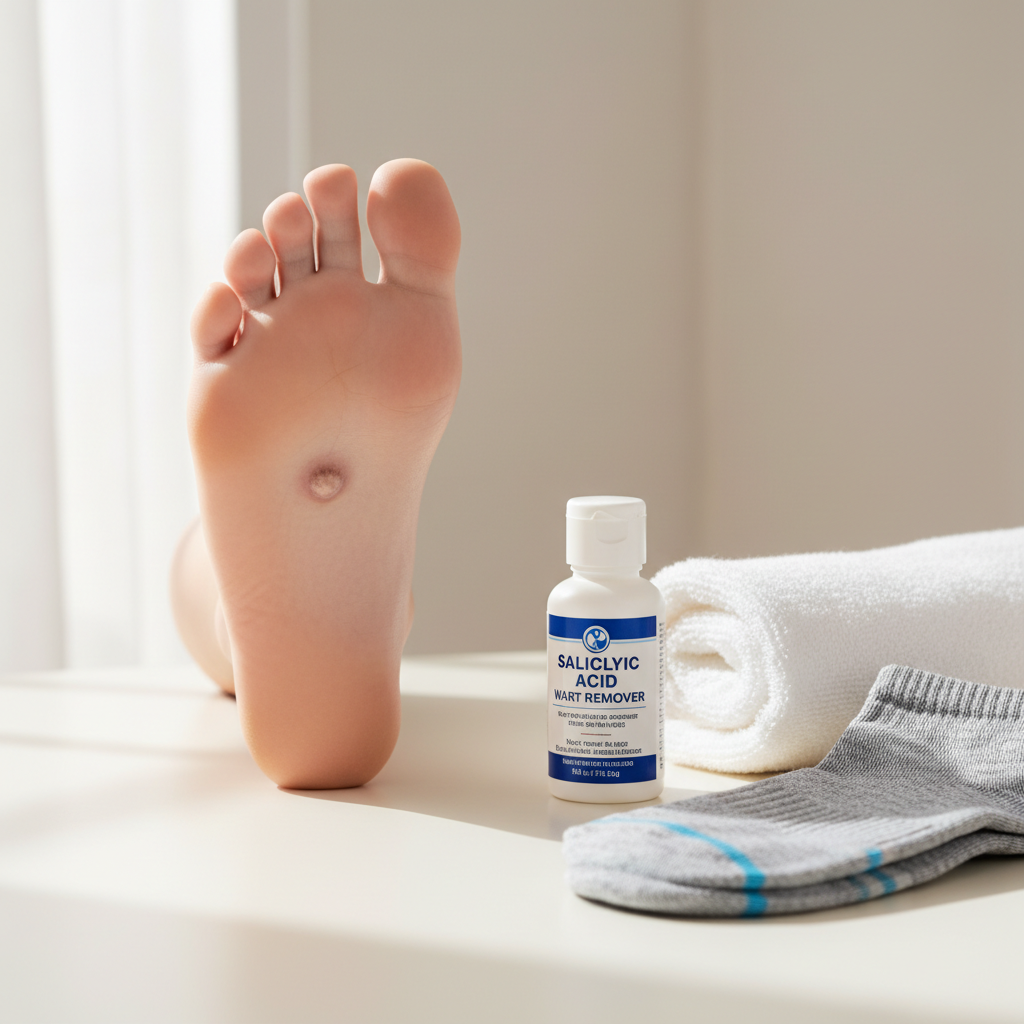
Ever noticed a stubborn bump or an itchy patch on your foot? You're not alone! Our feet are prone to various skin conditions, from pesky warts to mysterious rashes, that can make every step uncomfortable. Let's explore common foot skin issues and how to find relief.
Our feet work hard, carrying us through life's adventures, but sometimes they develop little surprises. From rough patches to persistent bumps, skin conditions on your feet can be annoying and even painful. Let's talk about some of the most common ones we see at Foot Health Centers.
Pesky Plantar Warts
If you've ever stepped on something that feels like a pebble stuck in your shoe, even when you know there's nothing there, you might be dealing with a plantar wart. These aren't like other warts you might see on your hands; they grow inward because of the pressure from walking and standing. Often, you'll see a small, rough area with tiny black dots, which are actually clotted blood vessels. They're caused by the human papillomavirus (HPV) and can be picked up in warm, moist places like public showers or swimming pools.
* **At-Home Tip:** Keep your feet clean and dry. Avoid walking barefoot in public areas. Over-the-counter salicylic acid treatments can sometimes help, but be patient; they take time and consistent application.
Athlete's Foot (Tinea Pedis)
Despite the name, you don't have to be an athlete to get athlete's foot! This common fungal infection thrives in warm, moist environments. You might notice itching, redness, scaling, or even blisters, especially between your toes or on the soles of your feet. It's highly contagious and can spread from person to person through contaminated surfaces.
* **At-Home Tip:** Wash your feet daily with soap and water, and dry them thoroughly, especially between the toes. Wear clean socks made of moisture-wicking material and alternate your shoes to allow them to dry out completely. Over-the-counter antifungal creams or sprays can be very effective.
Dry, Cracked Skin
Our feet can get incredibly dry, sometimes leading to uncomfortable cracks, especially around the heels. This can be due to a lack of moisture, wearing open-backed shoes, or even certain medical conditions. Dry skin isn't just a cosmetic issue; deep cracks can be painful and even open the door for infections.
* **At-Home Tip:** Moisturize your feet daily, especially after showering, with a rich cream or balm. For very dry heels, consider applying a thick moisturizer at night and wearing cotton socks to bed to help it absorb.
Other Common Skin Issues
While warts and athlete's foot are frequent visitors, other conditions can also affect your foot skin, such as psoriasis, eczema, or even allergic reactions. These can manifest as red, itchy, scaly patches and might require a different approach to treatment.
* **At-Home Tip:** Pay attention to any new or changing skin conditions. Avoid scratching, as this can worsen irritation or lead to infection. Keep a journal of when symptoms appear and what seems to trigger them.
When to See a Podiatrist
While many minor foot skin issues can be managed at home, sometimes professional help is needed. If you have:
* A wart that is painful, growing rapidly, bleeding, or not responding to home treatments. * Athlete's foot that is severe, spreading, or not improving with over-the-counter medications within a couple of weeks. * Deep, painful cracks in your skin, especially if they show signs of infection (redness, warmth, pus). * Any persistent rash or skin condition on your feet that you can't identify or that causes you concern. * If you have diabetes or a compromised immune system, any foot skin issue warrants prompt attention.
Dr. Michael Lyons and Dr. Robert Wenzler at Foot Health Centers in Hernando and Southaven, MS, are here to help. We can accurately diagnose your foot condition and create an effective treatment plan to get your feet feeling healthy and comfortable again. Don't hesitate to reach out for expert care.
Educational content only. Not a substitute for professional medical advice, diagnosis, or treatment. If you are experiencing foot or ankle pain, please schedule an appointment with our office.