
Don't Let Ingrown Toenails Cramp Your Style: Simple Steps for Happy Feet
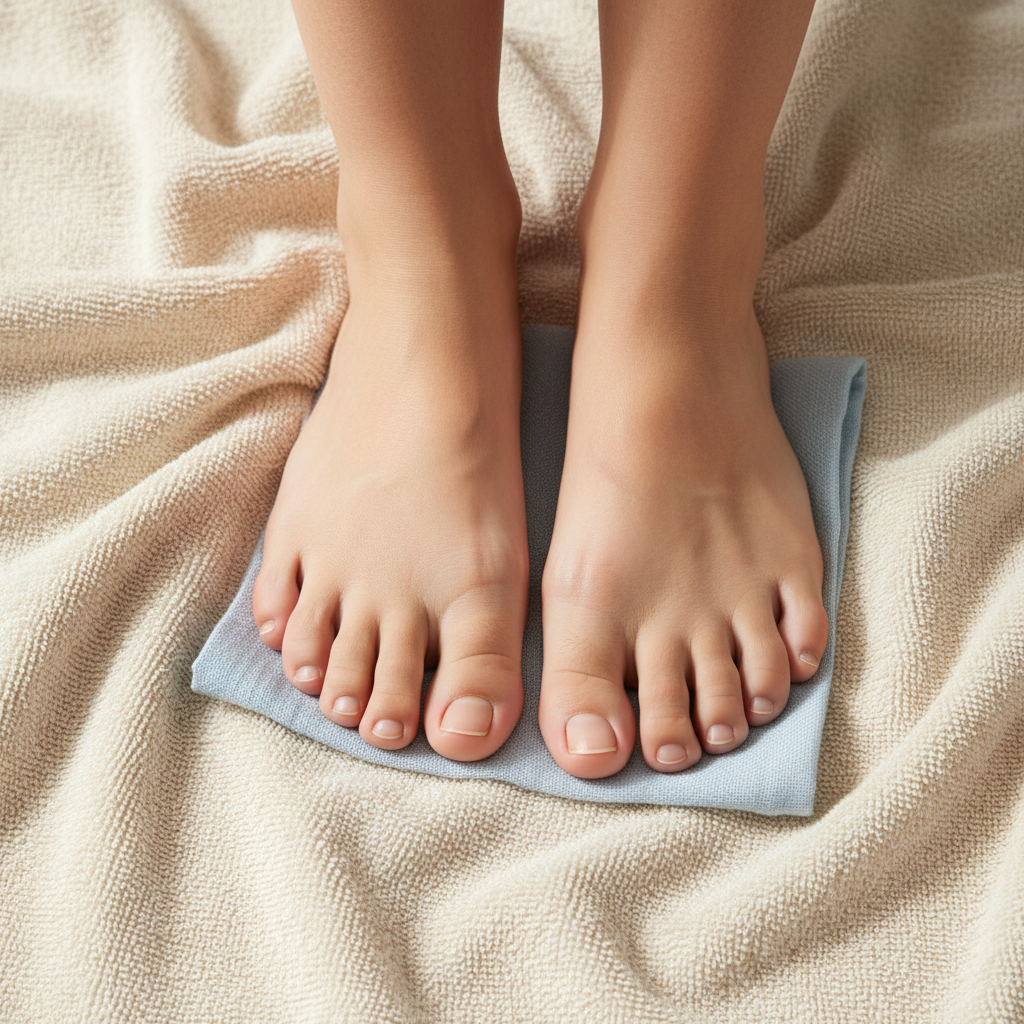
That nagging pain in your toe can often be an ingrown toenail, a common but easily preventable issue. Learn how to keep your nails healthy and avoid discomfort.
Ever had that frustrating, throbbing pain in your toe, making every step a miniature ordeal? Chances are, you've experienced an ingrown toenail. These common nuisances can turn a simple walk into a painful chore, but the good news is they're often preventable and treatable.
What Exactly is an Ingrown Toenail?
An ingrown toenail happens when the edge of your toenail, usually on the big toe, grows into the surrounding skin. This isn't just uncomfortable; it can lead to redness, swelling, and sometimes even infection. Imagine a tiny splinter constantly digging into your skin – that's what an ingrown toenail can feel like.
Why Do They Happen?
Several things can cause an ingrown toenail, and often it's a combination of these factors:
- **Improper nail trimming:** This is the big one! Cutting your nails too short or rounding the corners can encourage the nail to grow into the skin.
- **Tight-fitting shoes:** Shoes that squeeze your toes, especially high heels or narrow-toed styles, put pressure on your nails, pushing them into the skin.
- **Toe injuries:** Stubbing your toe or any repeated trauma can disrupt nail growth.
- **Genetics:** Sometimes, it's just how your nails are shaped or grow, making you more prone to them.
- **Fungal infections:** These can thicken and distort the nail, increasing the risk of ingrowing.
Your At-Home Arsenal for Healthy Nails
The best offense is a good defense, right? Here are some simple, practical steps you can take at home to keep your toenails healthy and prevent ingrown issues:
- **Trim those nails correctly:** This is crucial! Always cut your toenails straight across, not curved. Leave them long enough so the white tips are just visible. Think of it like a flat edge, not a rounded one. Use clean, sharp nail clippers.
- **Choose friendly footwear:** Opt for shoes that have plenty of room in the toe box. You should be able to wiggle your toes freely. Avoid shoes that pinch or rub, especially for extended periods.
- **Keep feet clean and dry:** Regular washing and thorough drying, especially between the toes, helps prevent fungal infections that can complicate nail health.
- **Moisturize your feet:** Healthy skin around the nails is less likely to become irritated. A good foot cream can do wonders.
- **Protect your feet:** If you're active or work in an environment where your feet might get bumped, consider protective footwear.
When to See Dr. Lyons or Dr. Wenzler
While many ingrown toenails can be managed with home care, there are times when it's important to seek professional help. Don't hesitate to give us a call at Foot Health Centers if you experience:
- **Increasing pain, redness, or swelling:** Especially if it's getting worse.
- **Pus or drainage:** This is a clear sign of infection.
- **Warmth spreading from the toe:** Another indicator of a potential infection.
- **You have diabetes or poor circulation:** These conditions can make even minor foot problems much more serious, and prompt professional care is essential.
- **The problem keeps coming back:** If you're following all the home care tips and still suffering, we can help identify the root cause and provide a lasting solution.
Taking good care of your toenails is a small habit that makes a big difference in your overall comfort and foot health. We're here to help you keep those feet happy and pain-free!
Educational content only. Not a substitute for professional medical advice, diagnosis, or treatment. If you are experiencing foot or ankle pain, please schedule an appointment with our office.