
Bumps, Blemishes, & Beyond: Understanding Foot Skin Conditions
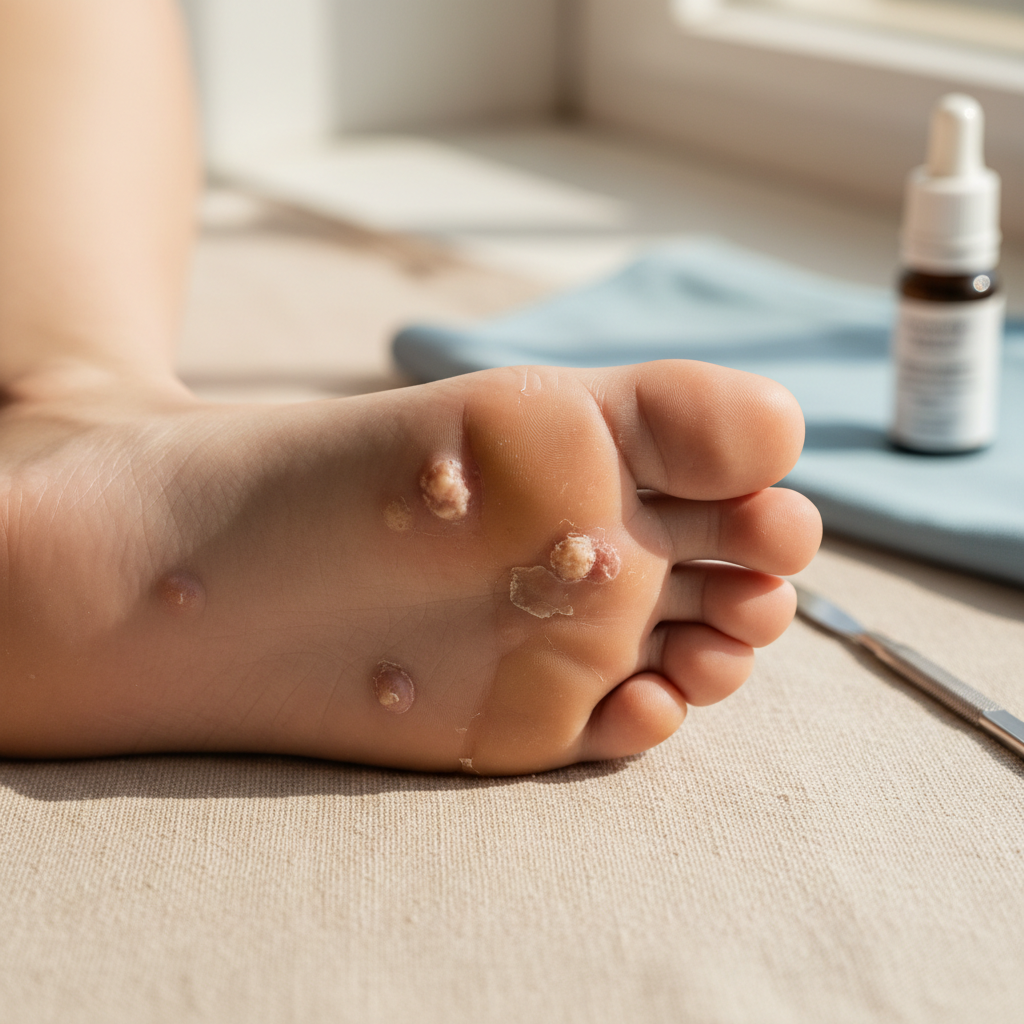
Ever wonder what’s behind that pesky bump or odd patch of skin on your foot? From common calluses to hidden warts, your feet can tell a story. Learn how to spot and care for everyday foot skin issues, and when to seek expert help.
Have you ever looked down at your feet and thought, "What *is* that?" Our feet work hard, and sometimes they show it with various skin changes. Don't worry, most foot skin conditions are treatable, and understanding them is the first step to healthier, happier feet.
Pesky Plantar Warts: The Uninvited Guests
Let’s start with one of the most common, and sometimes most annoying, foot issues: plantar warts. These aren't like the warts you might get on your hand. Plantar warts grow on the soles of your feet and can be quite painful because your body weight pushes them inward.
Caused by the human papillomavirus (HPV), warts are often picked up in warm, moist environments like public showers, locker rooms, or swimming pools. They can appear as small, rough, fleshy growths, sometimes with tiny black dots (often called "seeds," but they're actually tiny clotted blood vessels).
Home care tips for warts:
- **Keep it clean and covered:** This can help prevent spread to other parts of your foot or to others.
- **Avoid self-treatment with harsh chemicals:** Over-the-counter options exist, but strong acids can damage surrounding healthy skin. Always follow directions carefully.
Beyond Warts: Other Common Skin Conditions
While warts get a lot of attention, several other skin conditions can affect your feet:
* **Athlete's Foot:** This fungal infection loves warm, damp spaces between your toes or on the soles of your feet. It can cause itching, stinging, burning, redness, and cracking.
* **Home tip:** Keep feet clean and dry, especially between toes. Change socks daily, and consider antifungal powders or sprays.
* **Dry, Cracked Skin:** Especially common on heels, dry skin can be due to dehydration, harsh soaps, or even walking barefoot. Left untreated, cracks can deepen and become painful or even infected.
* **Home tip:** Moisturize regularly with a thick cream (look for ingredients like urea or lactic acid). Avoid very hot water when washing your feet.
* **Calluses and Corns:** These are your body's way of protecting itself. They're thickened areas of skin that develop in response to repeated pressure or friction. Corns are smaller and often have a hard center.
* **Home tip:** Wear well-fitting shoes. Use a pumice stone gently on softened skin after a shower. Never try to cut them off yourself, as this can lead to infection.
Your Podiatrist's Role: When to Seek Help
While many minor foot skin issues can be managed at home, there are times when a professional touch is needed. Dr. Michael Lyons and Dr. Robert Wenzler at Foot Health Centers in Hernando and Southaven, MS, are here to help.
**When to see a podiatrist:**
* You have persistent pain or discomfort. * The condition doesn't improve with home treatment. * You notice signs of infection (redness, swelling, pus, fever). * You have diabetes or another condition that affects circulation or immune system – even minor foot issues can become serious quickly. * You're not sure what the condition is. * You have a wart that is spreading, large, or very painful.
Taking good care of your feet is an important part of your overall health. Don't let a minor skin concern turn into a major problem. We're dedicated to helping you put your best foot forward, free from bumps and blemishes!
Educational content only. Not a substitute for professional medical advice, diagnosis, or treatment. If you are experiencing foot or ankle pain, please schedule an appointment with our office.