
Bumps and Bends: Understanding Your Bunions and Toe Woes
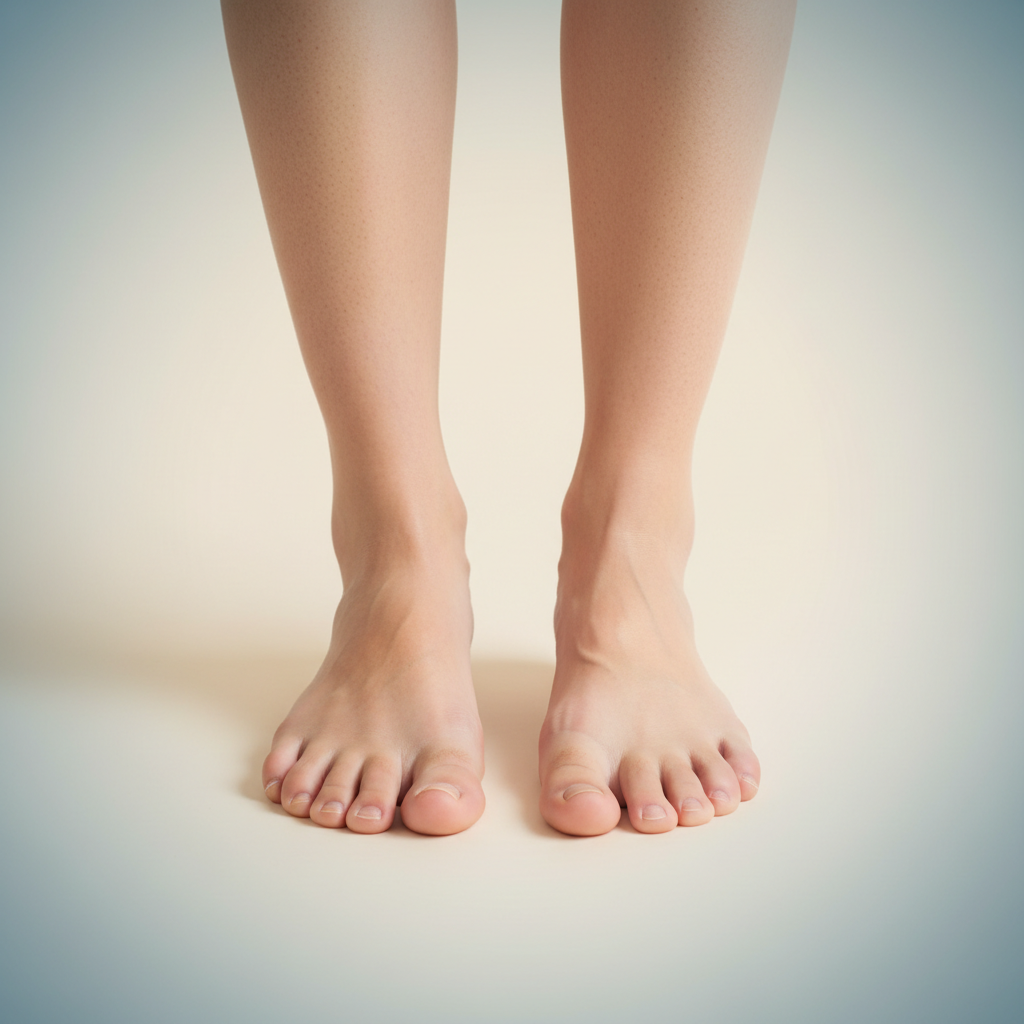
Do your feet complain with aches, bumps, or toes that just don't look right? You're not alone! Many people experience common foot issues like bunions and toe deformities, which can make everyday activities uncomfortable. Let's explore what causes these pesky problems and how you can find relief.
Ever look down at your feet and notice a bump forming at the base of your big toe, or toes curling in ways they shouldn't? If so, you're experiencing some of the most common foot deformities that can cause pain and discomfort. But what exactly are they, and what can you do about them?
What Exactly is a Bunion?
A bunion isn't just a bump on the side of your big toe; it's actually a structural problem. It happens when the bone or tissue at the joint of your big toe moves out of place. This forces the big toe to angle in towards your other toes, and the joint itself pokes out, forming that noticeable bump. Over time, this bump can become inflamed, red, and painful, especially when wearing shoes.
What Causes Bunions?
While stylish shoes with narrow toes and high heels can certainly make bunions worse, they are often a symptom of underlying biomechanical issues in your foot – basically, how your foot works when you walk. Genetics can also play a big role; if your parents or grandparents had bunions, you might be more prone to them. Certain foot types, like flat feet, can also increase your risk.
Understanding Other Toe Deformities
Besides bunions, other toes can develop issues too. Here are a couple of common ones:
* **Hammer Toe:** This occurs when a toe (often the second, third, or fourth toe) bends at the middle joint, making it look like a hammer. This can lead to pain, corns, and calluses on top of the bent joint or at the tip of the toe. * **Mallet Toe:** Similar to a hammer toe, but it involves the joint closest to the nail bending downwards. Corns and calluses often form at the end of the toe. * **Claw Toe:** This deformity typically affects all four smaller toes, causing them to curl downwards at both the middle and end joints. It's often associated with nerve damage or certain medical conditions.
These deformities can develop due to muscle imbalances, poorly fitting shoes (especially shoes that are too short or too narrow), or as a complication of other medical conditions.
Simple Steps for Happier Toes at Home
While you can't reverse these deformities entirely with home care, you can often relieve discomfort and slow their progression:
* **Choose the Right Shoes:** This is paramount! Look for shoes with a wide, deep toe box that allows your toes to lie flat and wiggle comfortably. Avoid high heels and pointed-toe styles. * **Padding and Taping:** Over-the-counter bunion pads or toe shields can cushion painful areas and reduce friction. Sometimes, taping toes can help realign them temporarily. * **Ice Application:** If your bunion or toe joint is inflamed and sore, apply an ice pack for 15-20 minutes a few times a day to reduce swelling and pain. * **Gentle Exercises:** Simple toe exercises, like picking up marbles with your toes or spreading your toes apart, can help strengthen foot muscles and improve flexibility. Talk to us about specific exercises that might be helpful for your condition. * **Over-the-Counter Pain Relief:** Non-prescription anti-inflammatory medications like ibuprofen can help manage pain and inflammation.
When to See a Podiatrist
While home care is a good starting point, it's important to know when to seek professional help from Dr. Lyons or Dr. Wenzler at Foot Health Centers. If you experience any of the following, please schedule an appointment:
* Persistent pain that interferes with daily activities. * Redness, swelling, or warmth around the joint. * Difficulty walking or finding shoes that fit. * The deformity is getting worse or causing significant discomfort. * Any numbness, tingling, or changes in sensation in your toes.
We can accurately diagnose your condition, discuss conservative treatment options like custom orthotics or specific physical therapy exercises, and if necessary, evaluate surgical solutions to correct the underlying structural issues. Don't let bunions and toe deformities keep you from living comfortably and enjoying your life! Your feet work hard for you; let us help them feel their best.
Educational content only. Not a substitute for professional medical advice, diagnosis, or treatment. If you are experiencing foot or ankle pain, please schedule an appointment with our office.